Pricing a garage floor upgrade can feel like chasing a moving target. One contractor quotes five dollars a square foot, another says ten, and a hardware store kit promises the same thing for a fraction of the price. So what is a fair polyurea garage floor coating cost per square foot in 2026, and what are you actually paying for at each price point?
This guide walks through realistic numbers, the factors that push your quote up or down, and the hidden line items that catch homeowners off guard. By the end, you should be able to read any estimate and know whether it makes sense.
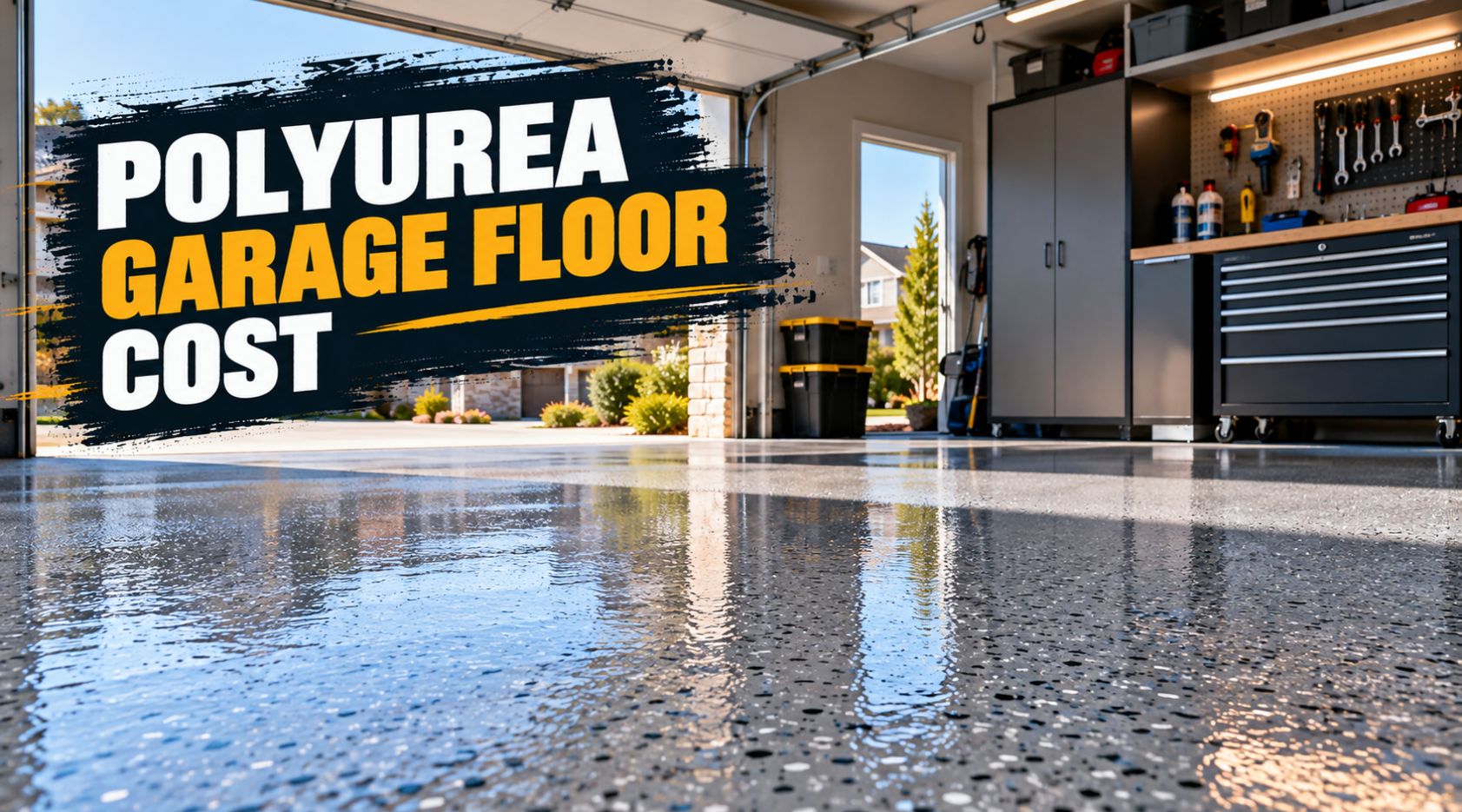
Polyurea Garage Floor Coating Cost Per Square Foot
For most homeowners in 2026, professional polyurea garage floor coating costs roughly $5 to $10 per square foot installed. Some premium or heavily prepped jobs push toward $12, and a few basic jobs in lower cost regions land closer to $4. For a typical two car garage of 400 to 576 square feet, that works out to about $2,000 to $5,800 total.
If you go the DIY route with a kit, materials alone usually run about $2 to $4 per square foot. That sounds like a bargain, but as you will see below, polyurea is one of the least forgiving coatings to apply yourself, so the cheaper number is not always the better deal.
Polyurea Garage Floor Coating Cost by Garage Size
Square footage is the first thing any installer will ask for. Here is a rough guide using the common $5 to $10 installed range.
| Garage Size | Typical Square Footage | Estimated Total Cost |
|---|---|---|
| 1 car garage | 250 to 350 sq ft | $1,250 to $3,500 |
| 2 car garage | 400 to 576 sq ft | $2,000 to $5,800 |
| 3 car garage | 600 to 850 sq ft | $3,000 to $8,500 |
| Workshop or large bay | 900 sq ft and up | Often quoted per project |
Larger spaces often earn a slightly lower price per square foot because setup, equipment, and travel costs get spread across more area. Very small jobs sometimes carry a minimum charge, which can nudge the per square foot rate higher.
What You Are Really Paying For
When you see a polyurea garage floor coating cost per square foot, that single number bundles together several separate costs. Understanding the breakdown makes it much easier to compare quotes fairly.
Materials. Polyurea itself is a premium material, typically accounting for roughly $2 to $8 per square foot depending on the product line, thickness, and whether the system includes color flakes and a protective topcoat.
Labor. Because polyurea cures so fast, installers need real skill and specialized equipment. Labor commonly adds $2 to $6 per square foot.
Surface preparation. This is the part many homeowners underestimate. A proper installation starts with diamond grinding the concrete to open the surface so the coating can bond. Skipping this step is the leading reason coatings peel, so good installers build it into the price.
Equipment and overhead. Professional crews bring grinders, dust extraction, plural component spray gear, and insurance. These costs are baked into the rate even though they never show up as a line item.
Factors That Raise or Lower Your Price
Two garages the same size can receive wildly different quotes. These are the main reasons why.
Condition of the Concrete
Smooth, clean, crack free concrete is the cheapest to coat. Slabs with oil stains, old paint, deep cracks, pitting, or spalling need extra grinding and repair work. Crack filling, patching, and moisture mitigation can each add noticeably to the final bill.
Existing Coatings
If there is already an old epoxy or sealer on the floor, it usually has to be ground off before anything new goes down. That adds time and labor compared to bare concrete.
Type and Thickness of the System
A basic single coat system costs less than a multi layer system with a decorative flake broadcast and a UV stable clear topcoat. Many installers now pair a polyurea base with a polyaspartic topcoat for better gloss and color retention, which can raise the price per square foot but also extends the life of the finish.
Decorative Options
Solid colors are the most affordable. Full flake broadcasts, metallic effects, custom colors, and logos all add cost. Slip resistant additives for wet areas are usually inexpensive but still worth mentioning to your installer.
Your Location
Labor rates vary a lot by region. A job in a large metro area can easily cost more than the same job in a smaller market, even before material differences are considered.
Time of Year and Availability
Busy seasons, especially spring and early summer, can bring higher prices and longer waits. Booking in the off season sometimes opens up better rates.
Polyurea vs Epoxy: How the Cost Per Square Foot Compares
Epoxy is the budget friendly alternative most homeowners compare against. Professionally installed epoxy generally runs about $3 to $7 per square foot, while polyurea sits higher at $5 to $10.
So why pay more? Because the upfront number is only part of the story. Epoxy often lasts around 5 to 10 years before it needs repair or recoating, while a well installed polyurea floor commonly lasts 15 to 20 years or more. Polyurea also cures in about a day, while epoxy can take several days before you can park on it. If you want a closer look at what makes the material tick, this primer on the facts about polyurea spray coatings explains the chemistry and why it sets so quickly.
Spread over the life of the floor, polyurea often ends up cheaper per year of use, even though it costs more on day one.
DIY Polyurea Kits vs Professional Installation
The price gap between a kit and a pro job is real, and so are the risks.
DIY kits typically cost around $2 to $4 per square foot in materials. Many of these are single component or slower curing products, which behave differently from the fast setting systems pros spray. They can work well for a patient homeowner, but results depend heavily on prep work and following the instructions precisely.
Professional installation costs more, but you are paying for commercial grade materials, proper grinding equipment, trained applicators, and often a warranty. Fast cure polyurea in particular leaves very little room for mistakes, since the material can start setting within seconds to minutes.
A good rule of thumb: if you are comfortable renting a concrete grinder, working in a tight time window, and accepting that mistakes are hard to undo, a DIY kit can save real money. If not, hiring a pro usually protects your investment.
Hidden Costs to Watch For
Plenty of homeowners get surprised by items that were not in the original estimate. Ask about each of these before you sign.
- Crack and joint repair. Some quotes include basic filling, others charge extra per linear foot.
- Moisture testing and mitigation. Moisture vapor coming through the slab can ruin a coating, so a good installer tests first. Mitigation primers cost extra.
- Old coating removal. Grinding off existing epoxy or paint is rarely free.
- Topcoat upgrades. A UV stable clear coat may be an optional add on rather than included.
- Moving items out. Some crews expect the garage to be fully emptied, and others will help for a fee.
- Door sill and stem wall coverage. Coating the garage door threshold or the short wall edge may be extra.
- Permits or HOA requirements. These are uncommon for coatings but worth a quick check.
How to Estimate Your Own Budget
You can build a quick ballpark before calling anyone.
Measure the length and width of your garage in feet, then multiply to get square footage. Multiply that number by a low, middle, and high rate to create a range. For a 450 square foot garage, that looks like this:
- Low estimate at $5 per square foot: about $2,250
- Middle estimate at $7.50 per square foot: about $3,375
- High estimate at $10 per square foot: about $4,500
Then add a cushion of 10 to 15 percent for concrete repair or upgrades. That cushion is not wasted money. It is the difference between a stressful surprise and a comfortable plan.
Is Polyurea Worth the Price?
For many homeowners, yes. Polyurea earns its premium through flexibility, impact resistance, fast return to service, and long lifespan. Hot tire pickup, chemical spills, and temperature swings are the sort of everyday stresses that wear down cheaper floors. You can read more about why this material performs so well in our overview of how spray applied polyurea systems protect concrete, including how faster processing and shorter downtime can offset higher material costs on a project.
It may not be worth it if you plan to sell soon, your slab is badly damaged and needs expensive repair first, or you simply want a light duty, short term finish. In those cases, a cheaper option may be the more sensible call.
Tips to Get the Best Price Without Cutting Corners
You do not have to accept the first number you hear. A few habits help.
Get three quotes. Compare scope, not just price. A cheaper quote that skips grinding is not really cheaper.
Ask what is included. Prep, repairs, topcoat, and cleanup should all be spelled out in writing.
Check the warranty. A written warranty that covers peeling and delamination tells you the installer stands behind the prep work.
Ask for photos of past jobs. Look for finished garages similar to yours, not just showroom shots.
Book off season. Late fall and winter can mean more flexible scheduling and sometimes better rates, as long as the garage can be kept at a workable temperature.
Bundle spaces. If you also have a basement, porch, or workshop floor you want coated, doing it all at once often lowers the effective rate.
Common Mistakes That Cost Homeowners Money
Chasing the lowest bid is the most common one. An unusually cheap quote often means thin coverage, skipped prep, or lower grade material, all of which can lead to peeling within a couple of years and a full redo.
Another frequent mistake is ignoring moisture. If water vapor rises through the slab, even the best coating can bubble or lift. A simple moisture test costs little compared to the cost of failure.
Finally, many people forget to factor in downtime. Polyurea is fast, but you still need to plan for getting vehicles and belongings out and back in, so choose a date that works with your schedule.
Frequently Asked Questions
What is the average polyurea garage floor coating cost per square foot in 2026?
Most professional installations fall between $5 and $10 per square foot, with a typical two car garage costing roughly $2,000 to $5,800 depending on size, concrete condition, and the system chosen.
How much does it cost to coat a 2 car garage with polyurea?
A standard two car garage of about 400 to 576 square feet usually costs between $2,000 and $5,800 installed. Heavily damaged concrete or premium decorative systems can push the total higher.
Is polyurea more expensive than epoxy?
Yes, upfront. Polyurea generally costs $5 to $10 per square foot, while epoxy runs about $3 to $7. However, polyurea tends to last longer and cure faster, so many owners find it more economical over time.
Why is polyurea so expensive?
The raw materials are more costly, the application needs specialized spray equipment, and the fast cure time demands experienced installers. Proper concrete grinding also adds labor to every job.
Can I install polyurea myself to save money?
You can buy DIY kits for roughly $2 to $4 per square foot in materials, but fast setting professional grade polyurea is difficult to apply without training and equipment. Poor results often cost more to fix than a pro install would have cost originally.
How long does a polyurea garage floor last?
With proper preparation and installation, a polyurea garage floor commonly lasts 15 to 20 years or longer, depending on traffic and maintenance.
How long does installation take?
Many polyurea garage floors can be completed in a single day, with light foot traffic allowed within hours and vehicle traffic often possible within about 24 hours, depending on the system.
What affects the cost of a polyurea garage floor the most?
Square footage, the condition of your concrete, the number of coats and topcoat type, decorative choices, and your local labor rates are the biggest drivers of price.
Final Thoughts
The polyurea garage floor coating cost per square foot in 2026 generally lands between $5 and $10 installed, with total projects for a two car garage commonly running $2,000 to $5,800. That is more than epoxy at the start, but the longer lifespan, faster cure, and better resistance to cracking, chipping, and UV damage give polyurea a strong case for long term value.
The smartest move is to measure your space, set a realistic range, collect a few detailed quotes, and focus on surface preparation and warranty terms rather than chasing the lowest number. Do that, and you will end up with a floor that looks good and holds up for years instead of one that needs another round of money and effort far too soon.