Tag: Polyurea

  • Why Polyurea Is Taking Center Stage in the 2025 Bridge Infrastructure Boom

    Why Polyurea Is Taking Center Stage in the 2025 Bridge Infrastructure Boom

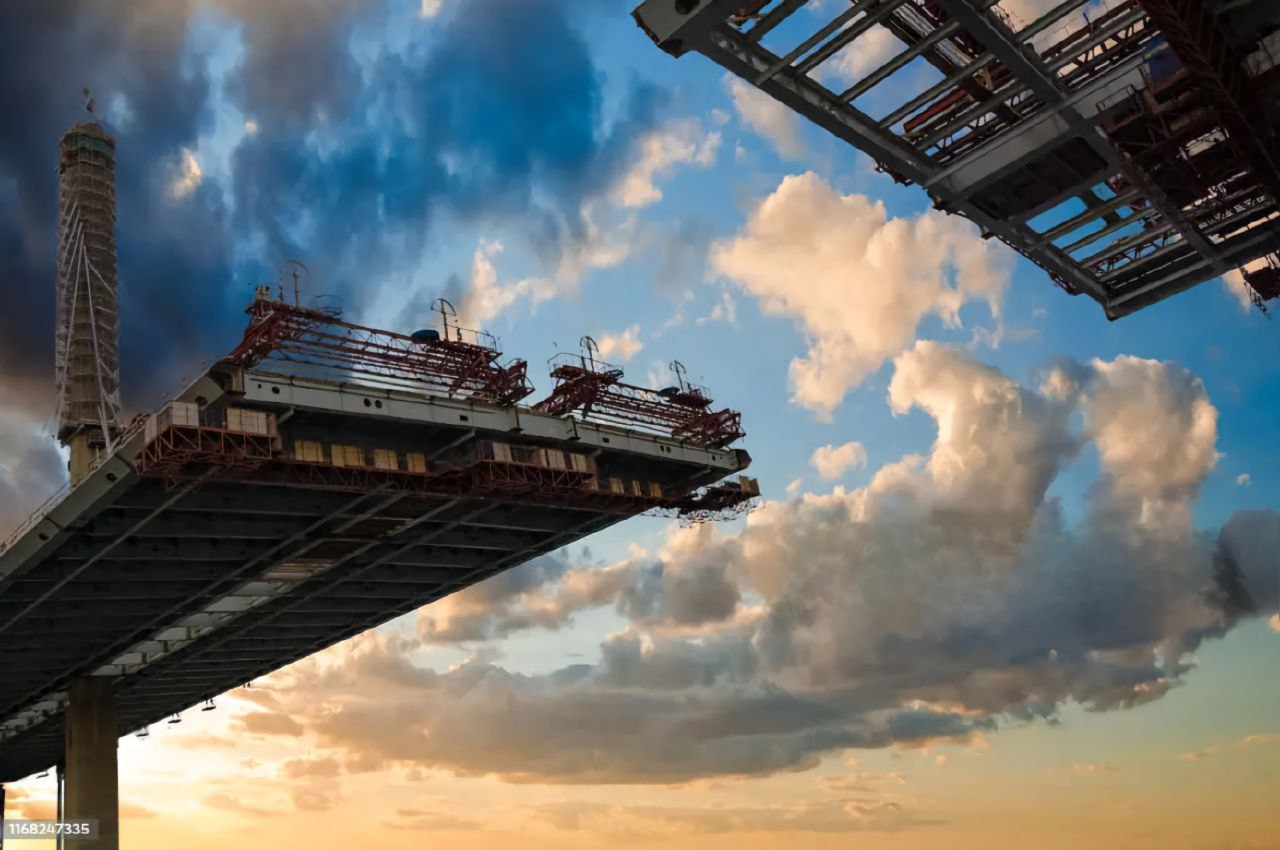
    As federal funds continue to flow from the Infrastructure Investment and Jobs Act, states across the U.S. are racing to update aging bridges. Many of these structures, some built more than 50 years ago, now face mounting stress from increased traffic, climate-related damage, and years of deferred maintenance. While steel and concrete still form the backbone of bridge construction, polyurea coatings have rapidly emerged as a quiet but essential player in keeping these vital structures safe and functional.

    In early March 2025, the U.S. Department of Transportation announced an additional $5.5 billion in grants aimed at revitalizing key infrastructure—much of it earmarked for bridges at risk of structural deterioration. This funding follows alarming reports from the Federal Highway Administration showing that over 42,000 U.S. bridges are currently rated in poor condition.

    Enter polyurea.

    Polyurea, a spray-applied protective coating, has become the material of choice for engineers and contractors involved in fast-track rehab projects. Polyurea is known for its exceptional tensile strength, flexibility, and waterproofing properties. It creates seamless membranes that prevent water ingress, corrosion, and chemical degradation—three of the most common causes of bridge deck failure.

    One of the biggest advantages? Speed. Polyurea coatings can be applied and cured within minutes, allowing construction crews to complete rehab work overnight and reopen bridges the next day. This rapid return-to-service timeline has become a decisive factor in project planning in busy metro areas like Chicago, Los Angeles, and Atlanta—where even minor closures can trigger hours-long traffic jams.

    Just last month, crews in New Jersey applied polyurea to the Pulaski Skyway’s support structures during an overnight shift. According to project leads, the material’s fast cure time allowed them to meet DOT safety requirements without extended lane closures or costly traffic rerouting.

    It’s not just speed and waterproofing that make polyurea attractive. The material can withstand both freeze-thaw cycles and extreme summer heat without cracking or peeling, making it ideal for regions that experience wide temperature swings. This year’s wild weather patterns—from January blizzards in the Midwest to unexpected spring heat waves in the Northeast—have tested the limits of older epoxy-based coatings, which often degrade more quickly than polyurea under such conditions.

    Contractors are also applying polyurea in less obvious but equally important parts of bridge systems: expansion joints, piers, and even the undersides of decks that are vulnerable to salt spray and chemical exposure. In some coastal projects, polyurea is paired with corrosion-resistant primers to create multilayered defense systems that last well over a decade without reapplication.

    Though polyurea may still sound like a niche solution to the public, the coating has gained wide respect among civil engineers and DOT officials. The National Association of Corrosion Engineers (NACE) estimates that corrosion costs the U.S. economy over $137 billion annually in infrastructure-related damage—a figure that continues to rise with each passing year of deferred maintenance. Coatings that mitigate this kind of damage aren’t just cost-effective—they’re essential.

    The growing role of polyurea in this year’s bridge initiatives highlights a broader trend: infrastructure modernization depends as much on innovative materials as it does on new construction. While steel and concrete get most of the attention, it’s the invisible protective layers—like polyurea—that help these materials last longer, perform better, and protect the lives of millions of daily commuters.

    As spring 2025 construction season ramps up, expect to hear more about polyurea in places you may not see—but definitely rely on.

  • Facts About Polyurea Spray Coatings

    Facts About Polyurea Spray Coatings

    Polyurea is a result of the reaction of diisocyanates and diamines. It is one of the most durable synthetic polymer materials. Here are just a few of the many attributes it has:

    • High strength, with tensile strength greater than 5,000 PSI and tear strength greater than 500 lbs/in
    • 100% solid, with no volatile organic compound (VOC).
    • Large hardness range, adjustable to shore D
    • Excellent chemical resistance
    • Superior resistance to abrasion
    • Water-tight properties

    It is possible to react quickly between diisocyanate, diamine and polyurea. Exothermic heat pushes the reaction towards completion. It is not necessary to have a complicated reactor or adhere to strict conditions. 

    This allows you to mix the two components in a calculated ratio and then apply the mixture to a substrate. You can apply different thicknesses of tough polyurea coatings to any substrate. A high-pressure spraying machine is used to spray a polyurea coating uniformly on the surface. This is the foundation of fast-setting polyurea paint systems.


    Polyurea Spray Coatings are fast-setting and can be used in a variety of industries and markets.
     Common raw materials require low viscosity and low freezing points. They also have high fast reactivity. For its protection purposes, these raw materials must create a thin, high-strength layer. 
    ArmorThane offers additional raw materials that can be used to improve product performance and offer new solutions. 

    Polyurea spray systems are versatile and a great choice for many applications. This blog is intended to encourage and start discussions about improving existing systems and creating new ones that are more durable, long-lasting, and efficient.


    Here are five facts about fast-setting spray systems of polyurea:


    1. Polyurea Spray Coatings are used in a wide range of industries

    Polyurea Spray Coatings are used in a variety of applications, from mining channels to sporting fields. This spray is suitable for a variety of industries such as:

    • Construction industry: Concrete surface protection, waterproofing, erosion protection.
    • For surfaces protection, manufacturing industry
    • Water industry, storage tanks and pipeline corrosion protection
    • Chemical industry, for chemical-resistant tank liner and corrosion protection of vessels.
    • Concrete industry. To provide floor sealers and protective coatings, surface repairs, or waterproof surfaces.
    • For reinforcement of outdoor dwellings, military industry
    • For abrasion resistance, and corrosion protection in the oil and gas and coal mining industry.

    This is just a small selection of the many uses that this product can be used in industry.

    2. Polyurea Spray Coatings have Different Functions

    Polyurea Spray Coatings are versatile and can be used in a variety of markets.

    A railroad company might use one system of polyurea to protect railcar surfaces from being damaged by an aggregate, and another system to prevent the corrosion of metal surfaces.

    Others functions include:

    • Protecting surfaces from wear and tear or strengthening a part, such as truck bed liners.
    • A swimming pool or reservoir can be waterproofed.
    • Protective coatings for wood surfaces that prevent scratching and scuffing.
    • For durability, reinforcement fabrics and padding are used such as roofing materials or military garments coatings.
    • Spray-on coatings can be applied to soften or harden a surface such as a tabletop. This will provide a more comfortable feel and better impact resistance.
    • Protection of tunnel surfaces against blasts and impacts
    • Protects metal surfaces from corrosion and environmental damage.

    There are many applications for polyurea spray coating systems, from small-sized, spray-coated fracking aggregates to large, spray-coated mining or highway passages.

    3. For many applications, polyurea spray coatings are the material of choice

    It’s no surprise that Polyurea Spray Coatings are versatile and have many functions. Here are some examples:

    • Spray coatings for concrete-mixing tank liners and truck-bed liners
    • Underground-level surface spray layers create a waterproof barrier to sewage tanks, buildings or construction purposes
    • The spraying of sand or rock on the surface provides erosion protection for playgrounds or golf courses and helps to maintain beautiful landscapes.
    • Use decorative applications such as car coatings and high-end waxes for cars
    • Spray coatings of polyurea are used to fertilize. This allows for a time-release that is not affected by the slow decomposition of the thin polyurea film.

    There are endless possibilities for spray polyurea coating applications. The right spray polyurea system can provide long-lasting protection for many applications, regardless the size or shape.

    4. Polyurea Spray Coatings Come in Different Forms

    Different formulations may result in different hardness for the finished layers of fast-setting spray polyurea coatings. They can be clear or colored, elastomeric or foam, matte or glossy, tougher than rubber or hardened as glass, or structured with fillers.

    It all depends on the specific requirements of each application.

    You can create a unique spray coating of polyurea and have environmental resistance properties by using different chemicals or combinations.

    5. Polyurea Spray Coatings are customizable for specific uses

    Spray coatings are all applied the same way with high-pressure spray guns. However, you can apply longer-lasting gel-time formulations using rollers. Modifying the formulation allows for customization to suit a particular application.

    For a good material selection, it is important to consider the environment, intended function and hydrolytic resistance.

    These are some questions to consider:

    • What type of protection is needed?
    • Do you need impact resistance or abrasion resistance for the application?
    • Which type of abrasion is more common: impingement or sliding?
    • Are the applications dynamic or static in nature?
    • What is the importance of UV and direct sunlight resistance?
    • What is the operating temperature range?
    • What type of chemical exposure can be expected?
    • What is the importance of hydrolytic resistance? Operation in hot or humid environments

    A bathroom tub application will need a different formula than a pool application, as the latter requires greater UV resistance and chemical (chlorine resistance). These formulas are not the same as those needed to protect a fracking pipe liner. All three applications require hydrolytic resistance.

    ArmorThane offers a wide range of diamine cures that can be used in both TDI- and MDI-based systems when it comes to choosing the best fast-setting polyurea.

    DETDA, DMTDA and MBOEA are all liquid curative formulations.

    ArmorThane offers a broad range of polyester and polyether polyols that can be used in spray polyurethane MDI systems. It is highly resistant to hydrolysis, has good dynamic performance and is food-contact compliant.

    ArmorThane has a wide range of raw materials, and they can also help you to formulate diamines, low-viscosity diamines, and/or diamine formulation systems to provide various properties to meet your project requirements.

    ArmorThane’s technical team can assist you in finding a quick-setting spray system for polyurea that reduces work and increases the durability and longevity of your products.