Blog

  • Why More Municipalities Are Spraying Their Own Infrastructure with Polyurea

    Why More Municipalities Are Spraying Their Own Infrastructure with Polyurea

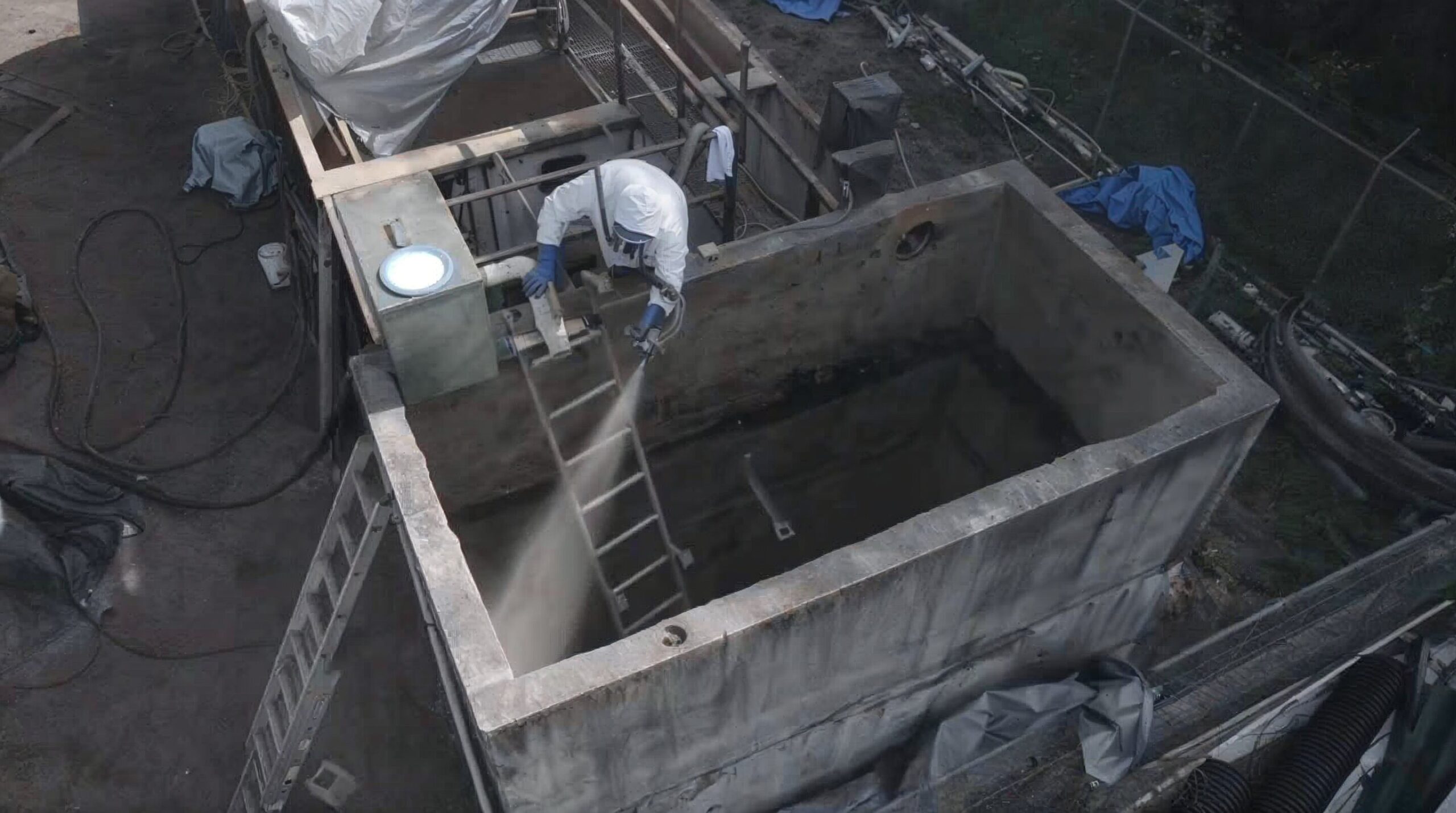
    Across the country, municipalities are rethinking how they maintain aging infrastructure. Tight budgets, workforce shortages, and increasingly frequent maintenance demands have led many cities and counties to bring key tasks in-house. One growing trend: spraying polyurea on municipal infrastructure themselves—without outsourcing the job to third-party contractors.

    This shift toward self-performance isn’t just about saving money. It’s also about control, longevity, and response time. With polyurea coating technology, cities can repair manholes, wastewater systems, tanks, and treatment plants faster and with fewer resources—while extending the life of these assets by decades.

    Many local governments now train their teams and invest in mobile polyurea spray rigs, reducing their reliance on contracted services. According to recent industry reports, what was once considered a highly specialized task is quickly becoming a core municipal skill.


    Municipalities Taking the Spray Gun into Their Own Hands

    Why now? It starts with numbers. Aging wastewater infrastructure costs cities billions each year. Polyurea, known for its fast cure time, corrosion resistance, and seamless application, is a game-changer in these high-wear environments. The challenge used to be accessing the knowledge and tools to apply it correctly—but that’s no longer the case.

    Municipalities now have access to comprehensive training programs, affordable spray equipment, and a growing body of public sector case studies. For example, coatings.academy offers insights into how municipalities spray their own infrastructure projects, with step-by-step guidance for getting started.

    In fact, the shift has become widespread enough that industry experts are calling it a structural transformation in how cities manage their underground assets. A recent piece from Polyurea Nation highlights the rise of municipalities taking infrastructure maintenance in-house with polyurea spray rigs, citing cost savings, flexibility, and improved repair times as primary motivators.


    Manhole Rehabilitation: A Key Entry Point

    Manholes are often the first place municipalities start. These high-traffic, high-corrosion environments fail quickly if left unprotected. Traditionally, cities outsourced manhole rehabilitation to industrial contractors—but not anymore.

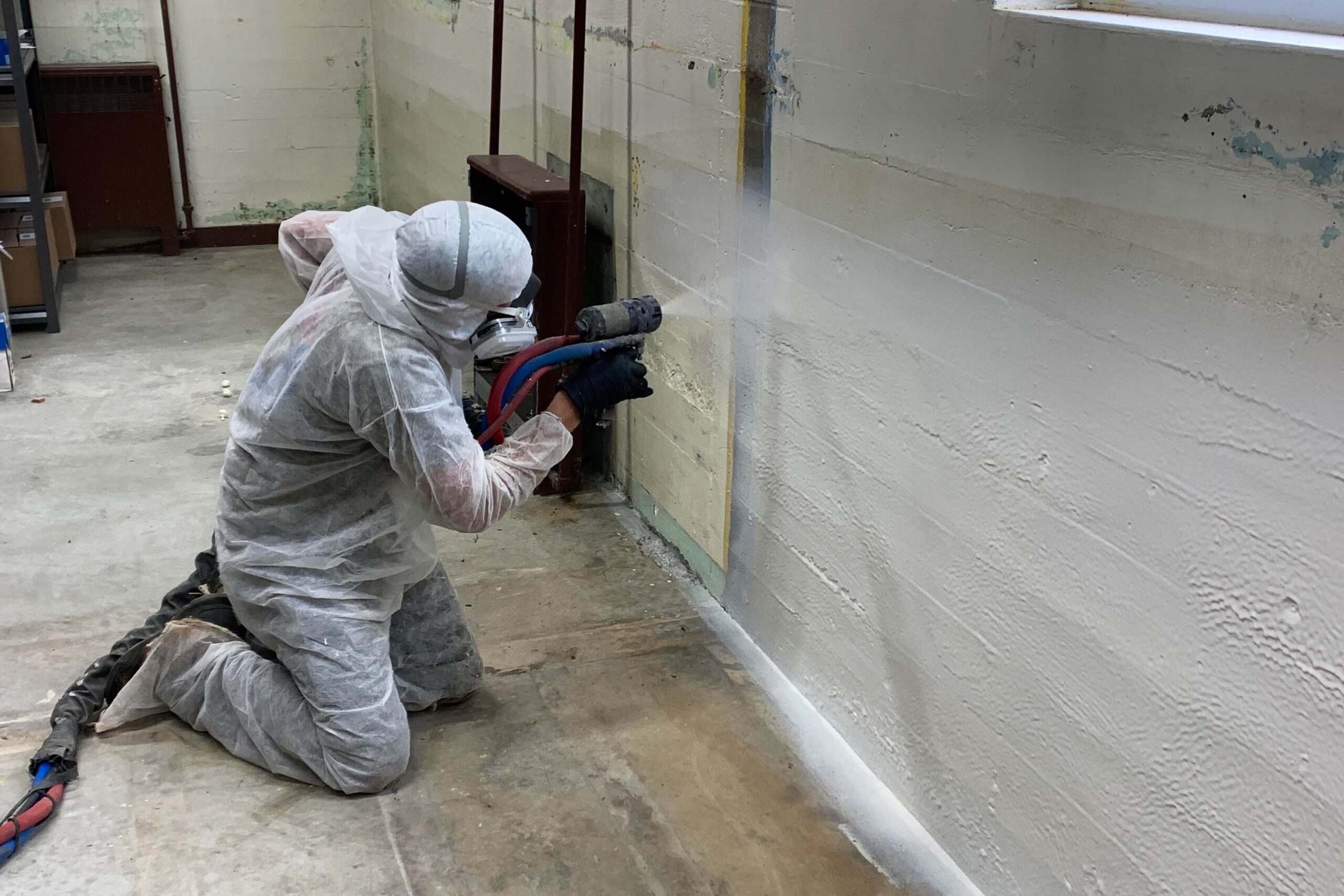
    Today, many municipalities are applying manhole coatings in-house using their own crews and mobile rigs. Polyurea’s ability to form a seamless, impermeable barrier in minutes means cities can knock out multiple rehabs in a single day without disrupting surface traffic or sewer flow.

    Polyurea Reviews recently explored whether municipalities should perform polyurea manhole rehabilitation themselves, concluding that with the right training and equipment, the answer is a confident yes.


    The Broader Impact on Wastewater Systems

    This isn’t just about manholes. Spraying polyurea also helps protect digesters, clarifiers, lift stations, and entire municipal wastewater treatment systems. As these systems age, the need for durable coatings becomes more urgent—and the case for doing the work internally grows stronger.

    By managing these applications in-house, municipalities reduce downtime, avoid procurement delays, and gain valuable technical knowledge about their systems. That institutional knowledge becomes part of the city’s long-term resilience strategy.

    For a deeper look into how polyurea benefits municipal water treatment systems, view this full digital carousel, which outlines the lifecycle advantages, material performance, and real-world use cases.


    Training and Opportunity

    As this trend grows, more cities are investing in training programs and equipment bundles that make the transition easier. Organizations like ArmorThane have built support systems specifically for municipalities looking to spray in-house.

    American Polyurea recently reported on several successful pilot programs where small towns trained local crews, applied their first coatings, and saw immediate savings—both in dollars and in asset performance.


    A Long-Term Shift Toward Self-Reliance

    The momentum behind polyurea self-performance signals a broader shift in how municipalities view infrastructure maintenance. Instead of deferring repairs or relying on outside vendors, cities are owning the process—both figuratively and literally.

    As equipment becomes more user-friendly and training more accessible, polyurea spraying will likely become a standard part of public works departments everywhere. What started as a niche technology now represents a smart, scalable, and sustainable approach to protecting vital infrastructure for the long haul.

  • Why Polyurea Is Taking Center Stage in the 2025 Bridge Infrastructure Boom

    Why Polyurea Is Taking Center Stage in the 2025 Bridge Infrastructure Boom

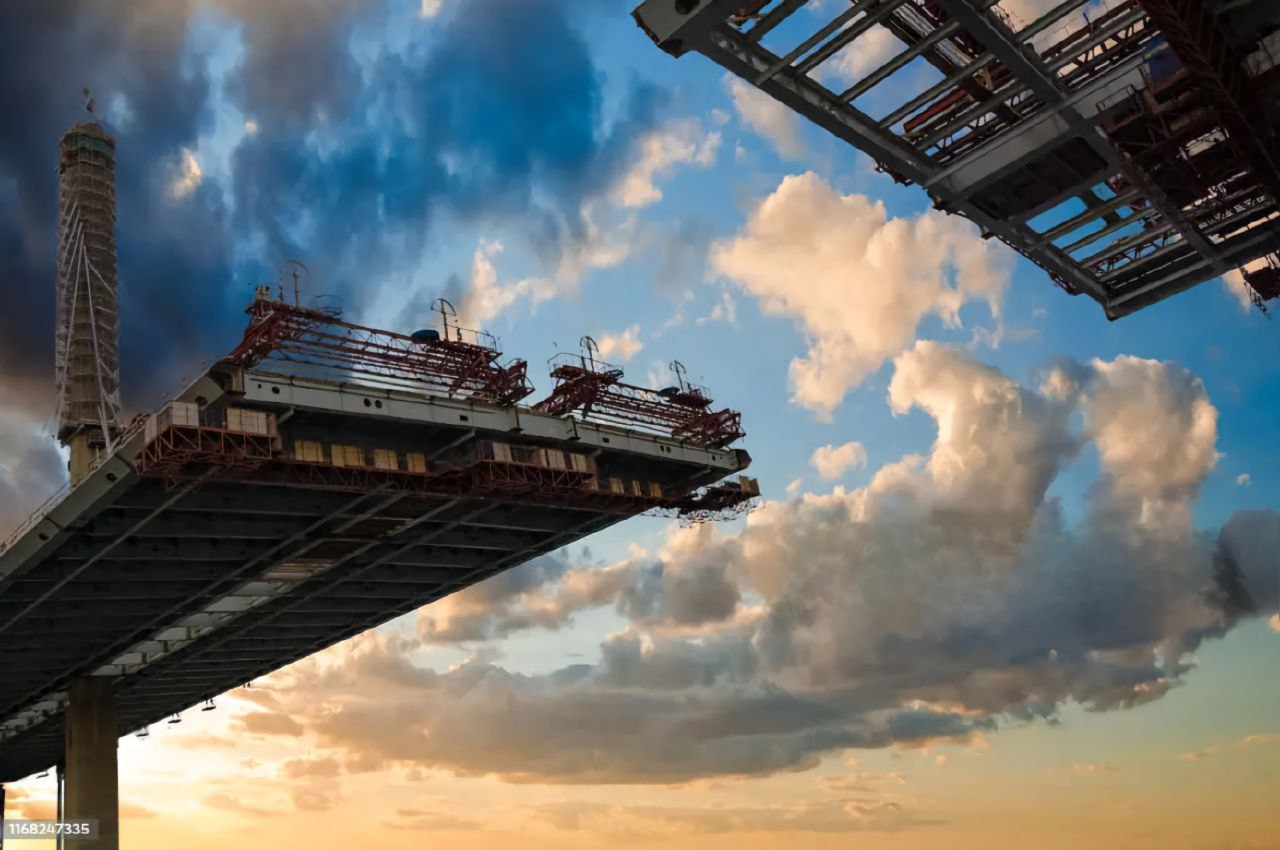
    As federal funds continue to flow from the Infrastructure Investment and Jobs Act, states across the U.S. are racing to update aging bridges. Many of these structures, some built more than 50 years ago, now face mounting stress from increased traffic, climate-related damage, and years of deferred maintenance. While steel and concrete still form the backbone of bridge construction, polyurea coatings have rapidly emerged as a quiet but essential player in keeping these vital structures safe and functional.

    In early March 2025, the U.S. Department of Transportation announced an additional $5.5 billion in grants aimed at revitalizing key infrastructure—much of it earmarked for bridges at risk of structural deterioration. This funding follows alarming reports from the Federal Highway Administration showing that over 42,000 U.S. bridges are currently rated in poor condition.

    Enter polyurea.

    Polyurea, a spray-applied protective coating, has become the material of choice for engineers and contractors involved in fast-track rehab projects. Polyurea is known for its exceptional tensile strength, flexibility, and waterproofing properties. It creates seamless membranes that prevent water ingress, corrosion, and chemical degradation—three of the most common causes of bridge deck failure.

    One of the biggest advantages? Speed. Polyurea coatings can be applied and cured within minutes, allowing construction crews to complete rehab work overnight and reopen bridges the next day. This rapid return-to-service timeline has become a decisive factor in project planning in busy metro areas like Chicago, Los Angeles, and Atlanta—where even minor closures can trigger hours-long traffic jams.

    Just last month, crews in New Jersey applied polyurea to the Pulaski Skyway’s support structures during an overnight shift. According to project leads, the material’s fast cure time allowed them to meet DOT safety requirements without extended lane closures or costly traffic rerouting.

    It’s not just speed and waterproofing that make polyurea attractive. The material can withstand both freeze-thaw cycles and extreme summer heat without cracking or peeling, making it ideal for regions that experience wide temperature swings. This year’s wild weather patterns—from January blizzards in the Midwest to unexpected spring heat waves in the Northeast—have tested the limits of older epoxy-based coatings, which often degrade more quickly than polyurea under such conditions.

    Contractors are also applying polyurea in less obvious but equally important parts of bridge systems: expansion joints, piers, and even the undersides of decks that are vulnerable to salt spray and chemical exposure. In some coastal projects, polyurea is paired with corrosion-resistant primers to create multilayered defense systems that last well over a decade without reapplication.

    Though polyurea may still sound like a niche solution to the public, the coating has gained wide respect among civil engineers and DOT officials. The National Association of Corrosion Engineers (NACE) estimates that corrosion costs the U.S. economy over $137 billion annually in infrastructure-related damage—a figure that continues to rise with each passing year of deferred maintenance. Coatings that mitigate this kind of damage aren’t just cost-effective—they’re essential.

    The growing role of polyurea in this year’s bridge initiatives highlights a broader trend: infrastructure modernization depends as much on innovative materials as it does on new construction. While steel and concrete get most of the attention, it’s the invisible protective layers—like polyurea—that help these materials last longer, perform better, and protect the lives of millions of daily commuters.

    As spring 2025 construction season ramps up, expect to hear more about polyurea in places you may not see—but definitely rely on.

  • The Evolution of Protective Coating Polymers: From Early Barriers to Polyurea Advancements

    The Evolution of Protective Coating Polymers: From Early Barriers to Polyurea Advancements

    Protective coatings have been used for centuries by people. The early civilizations applied natural substances such as wax, tar and plant resins to shield wood, stone and metal from the elements. These materials helped, but they did not last. They were not very durable and broke down with water, heat and physical wear. Protection became needed as industries increased.

    The First Advances in Synthetic Coatings


    The industrial revolution transformed materials. Engineering stepped in to build with steel and concrete, not wood and stone, for buildings, bridges and machinery. It was needed to prevent rust, corrosion and decay. Oil-based paints and varnishes were initially used, but they soon wore off. The new coatings they needed to bond to and last longer than traditional coatings were explored.

    The discovery of synthetic polymers at the beginning of the 20th century brought about a new generation of protective coatings. Bakelite, the first true plastic, had shown that engineering chemistry could create materials that were stronger than those from nature. Chemists soon developed epoxy and polyurethane coatings. They were better than traditional coatings at resisting chemicals and abrasion. They applied it to increase the service life and decrease the need for maintenance in factories, pipelines and military equipment.

    Polyurethane emerged as the choice for industrial coatings in the mid-20th century. It formed strong and flexible films that stuck well to metal, concrete and wood. It also did not peel off easily due to water and ultraviolet light, as opposed to oil-based paints. It lasted long enough to be good for bridges, ships and storage tanks. But it had to be mixed correctly and it took a long time to cure.

    The Introduction of Polyurea


    Polyurea was invented in the 1980s to change protective coatings. Isocyanates are known to react with amine resins to produce a material that can cure in seconds. Polyurea did not need a catalyst to harden unlike epoxy and polyurethane. It stuck and formed a single layer that was water tight, impact resistant and a wide range of temperatures.

    This is because polyurea can be applied very quickly and used for large infrastructure projects. It could be coated in a matter of hours, not days, for pipeline, containment tanks and bridge decks. It flexed to accommodate structure and prevented cracks and failures. It was different from traditional coatings in that it stuck to wet surfaces, which came in handy in environments that were prone to moisture.

    The military identified the potential of polyurea very fast. It was found that it could be used to reinforce buildings against blasts and to protect vehicles against corrosion. It starts to use in high security facilities, military bases and naval ships by governments.

    Research is still ongoing to improve on polyurea and other protective coatings. Chemists are still working on the development of hybrid formulations that can enhance the adhesion, chemical resistance and product life. Some coatings now have ceramic enhancers to increase the hardness. Some use nanotechnology to enhance the molecular bonding. These developments are expected to enhance the protection of coated surfaces and minimize on the need for maintenance.

    Protection is also a concern with regard to sustainable protective coatings. Manufacturers are developing bio-based and low VOC systems. Advances in spray technology enable the application of thinner, more economical coatings with reduced material usage. New smart coatings that transform their properties with temperature or exposure to chemicals may also improve performance.

    Polyurea is still at the forefront of coating technology. Its speed, strength and adaptability make it the go-to solution for protection from long-term exposure requirements across many industries. Protecting against wear, weather and damage will become increasingly important as technology improves.

  • Facts About Polyurea Spray Coatings

    Facts About Polyurea Spray Coatings

    Polyurea is a result of the reaction of diisocyanates and diamines. It is one of the most durable synthetic polymer materials. Here are just a few of the many attributes it has:

    • High strength, with tensile strength greater than 5,000 PSI and tear strength greater than 500 lbs/in
    • 100% solid, with no volatile organic compound (VOC).
    • Large hardness range, adjustable to shore D
    • Excellent chemical resistance
    • Superior resistance to abrasion
    • Water-tight properties

    It is possible to react quickly between diisocyanate, diamine and polyurea. Exothermic heat pushes the reaction towards completion. It is not necessary to have a complicated reactor or adhere to strict conditions. 

    This allows you to mix the two components in a calculated ratio and then apply the mixture to a substrate. You can apply different thicknesses of tough polyurea coatings to any substrate. A high-pressure spraying machine is used to spray a polyurea coating uniformly on the surface. This is the foundation of fast-setting polyurea paint systems.


    Polyurea Spray Coatings are fast-setting and can be used in a variety of industries and markets.
     Common raw materials require low viscosity and low freezing points. They also have high fast reactivity. For its protection purposes, these raw materials must create a thin, high-strength layer. 
    ArmorThane offers additional raw materials that can be used to improve product performance and offer new solutions. 

    Polyurea spray systems are versatile and a great choice for many applications. This blog is intended to encourage and start discussions about improving existing systems and creating new ones that are more durable, long-lasting, and efficient.


    Here are five facts about fast-setting spray systems of polyurea:


    1. Polyurea Spray Coatings are used in a wide range of industries

    Polyurea Spray Coatings are used in a variety of applications, from mining channels to sporting fields. This spray is suitable for a variety of industries such as:

    • Construction industry: Concrete surface protection, waterproofing, erosion protection.
    • For surfaces protection, manufacturing industry
    • Water industry, storage tanks and pipeline corrosion protection
    • Chemical industry, for chemical-resistant tank liner and corrosion protection of vessels.
    • Concrete industry. To provide floor sealers and protective coatings, surface repairs, or waterproof surfaces.
    • For reinforcement of outdoor dwellings, military industry
    • For abrasion resistance, and corrosion protection in the oil and gas and coal mining industry.

    This is just a small selection of the many uses that this product can be used in industry.

    2. Polyurea Spray Coatings have Different Functions

    Polyurea Spray Coatings are versatile and can be used in a variety of markets.

    A railroad company might use one system of polyurea to protect railcar surfaces from being damaged by an aggregate, and another system to prevent the corrosion of metal surfaces.

    Others functions include:

    • Protecting surfaces from wear and tear or strengthening a part, such as truck bed liners.
    • A swimming pool or reservoir can be waterproofed.
    • Protective coatings for wood surfaces that prevent scratching and scuffing.
    • For durability, reinforcement fabrics and padding are used such as roofing materials or military garments coatings.
    • Spray-on coatings can be applied to soften or harden a surface such as a tabletop. This will provide a more comfortable feel and better impact resistance.
    • Protection of tunnel surfaces against blasts and impacts
    • Protects metal surfaces from corrosion and environmental damage.

    There are many applications for polyurea spray coating systems, from small-sized, spray-coated fracking aggregates to large, spray-coated mining or highway passages.

    3. For many applications, polyurea spray coatings are the material of choice

    It’s no surprise that Polyurea Spray Coatings are versatile and have many functions. Here are some examples:

    • Spray coatings for concrete-mixing tank liners and truck-bed liners
    • Underground-level surface spray layers create a waterproof barrier to sewage tanks, buildings or construction purposes
    • The spraying of sand or rock on the surface provides erosion protection for playgrounds or golf courses and helps to maintain beautiful landscapes.
    • Use decorative applications such as car coatings and high-end waxes for cars
    • Spray coatings of polyurea are used to fertilize. This allows for a time-release that is not affected by the slow decomposition of the thin polyurea film.

    There are endless possibilities for spray polyurea coating applications. The right spray polyurea system can provide long-lasting protection for many applications, regardless the size or shape.

    4. Polyurea Spray Coatings Come in Different Forms

    Different formulations may result in different hardness for the finished layers of fast-setting spray polyurea coatings. They can be clear or colored, elastomeric or foam, matte or glossy, tougher than rubber or hardened as glass, or structured with fillers.

    It all depends on the specific requirements of each application.

    You can create a unique spray coating of polyurea and have environmental resistance properties by using different chemicals or combinations.

    5. Polyurea Spray Coatings are customizable for specific uses

    Spray coatings are all applied the same way with high-pressure spray guns. However, you can apply longer-lasting gel-time formulations using rollers. Modifying the formulation allows for customization to suit a particular application.

    For a good material selection, it is important to consider the environment, intended function and hydrolytic resistance.

    These are some questions to consider:

    • What type of protection is needed?
    • Do you need impact resistance or abrasion resistance for the application?
    • Which type of abrasion is more common: impingement or sliding?
    • Are the applications dynamic or static in nature?
    • What is the importance of UV and direct sunlight resistance?
    • What is the operating temperature range?
    • What type of chemical exposure can be expected?
    • What is the importance of hydrolytic resistance? Operation in hot or humid environments

    A bathroom tub application will need a different formula than a pool application, as the latter requires greater UV resistance and chemical (chlorine resistance). These formulas are not the same as those needed to protect a fracking pipe liner. All three applications require hydrolytic resistance.

    ArmorThane offers a wide range of diamine cures that can be used in both TDI- and MDI-based systems when it comes to choosing the best fast-setting polyurea.

    DETDA, DMTDA and MBOEA are all liquid curative formulations.

    ArmorThane offers a broad range of polyester and polyether polyols that can be used in spray polyurethane MDI systems. It is highly resistant to hydrolysis, has good dynamic performance and is food-contact compliant.

    ArmorThane has a wide range of raw materials, and they can also help you to formulate diamines, low-viscosity diamines, and/or diamine formulation systems to provide various properties to meet your project requirements.

    ArmorThane’s technical team can assist you in finding a quick-setting spray system for polyurea that reduces work and increases the durability and longevity of your products.


  • Why ArmorThane’s Polyurea Is Superior To All Others

    Why ArmorThane’s Polyurea Is Superior To All Others

    ArmorThane continues to be your go-to for all of your spray coating needs and services. From the very best products and expert installation technicians, and more, there is no other specialist you ever need to call for your insulation demands. ArmorThane also provides polyurea coating for your building needs as well.

    What is polyurea?
    Polyurea is a rubber-like substance that offers superior surface protection. It is an elastomer, so it is flexible while remaining resilient. Polyurea coatings are typically used for commercial structures but can be and are utilized in an unlimited amount of uses.
    What are the benefits of polyurea coating?
    There are various benefits of a polyurea coating, making it a very useful product on many building sites. The material is climate tolerant, usable at temperatures ranging from -20* to over 300* and will even cure in high humidity. Polyurea coatings offer excellent resistance to thermal shock. It is strong and tough and flexible enough to bridge cracks and be used over joints and linings.
    Polyurea coatings are also seamless and waterproof and have no volatile organic compounds (VOCs) as well as very little odor. These qualities make polyurea coating perfect for protecting commercial structures and equipment of all kinds. Its ability to set quickly and the fast application time set it apart from any other similar technology. ArmorThane offers you the very best and latest technology in spray-applied polyurea coatings.
    What are some common applications for polyurea coatings?
    Most polyurea coating product applications are for commercial uses, as there is not ordinarily a need for such a strong and flexible material for residential buildings. Commercial uses come in a wide range. Here are some suggested product applications:
    * Refrigeration Units
    * Roof Coatings
    * Truck Bed Liners
    * Flooring and Decks
    * Pipe Coatings
    * Water Parks
    * Rail car Linings
    * Tank Coatings & Linings
    * Bridge Coating
    * Joint Fill/Caulk
    * Waste Water Treatment Linings
    * Spray Molding
    * Manhole & Sewer Linings
    * Decorative Design coating Aquarium Lining
    * Landscape & Water Containment
    * Automotive Fascia OEM Molded Parts
    * Fuel Storage & Containment
    As you can see, many of the commercial applications for polyurea coatings involve waterproof lining, fuel storage, and cold storage. This is because of the polyurea coating’s unique waterproof and temperature resistance. There are also a lot of traffic and safety applications because of how strong and almost indestructible the polyurea coatings are.
    Many other companies also benefit from polyurea coatings are sanitary areas such as restaurants and food processing plants. We can even use it over concrete and steel to protect against corrosion and damage. Polyurea is truly a handy material to work with, and ArmorThane is pleased to provide it to their commercial clients.
    To learn more about polyurea coating applications, call the experts at ArmorThane. I commit them not only to providing the very best in products and service, and you can trust that the professional you speak with will be knowledgeable and experienced. Call ArmorThane today for more about polyurea coating solutions.
  • How Do ArmorThane Roofing Jobs hold Up After 8 Years?

    Image result for A Lasting Polyurea Roof System

    For the four-person staff utilized from ArmorThane, recoating the leaking roof at the Springfield Plaza shopping center in Springfield, Mo, was anything but routine. Not only did they need to contend with the harsh weather conditions, overspray, and also operating at elevations, but they also needed to keep the overspray from “splattering” on the building.
    The repair: roughly 80 mils (2,032.0 microns) of ArmorThane’s own Highline 310 chemical: An amazing quality product!
    But the task was finished in 2012: eight years ago. Has it stood the test of time?
    Overspray as well as Higher Savings
    Given that the conclusion of the 11,000-square-foot task, ArmorThane has grown 30 percent in roofing sales, according to President Garry Froese. Although this job was the company’s most difficult one at the time, they’ve since finished additional similar projects.
    “Every job has problems when applying splashed coatings, as you should handle all weather as well as overspray challenges,” Froese stated. To alleviate overspray on this job, the team marked off the parking area and utilized big outdoor tents to contain the spray.
    “Overspray is a consistent concern when using sprayed-on coatings,” Froese proceeded. “At winds over 10 miles per hour, also under an outdoor tent, it must not be attempted. We utilized big outdoor tents– 12 feet by 20 feet with two individuals working to use a huge adequate section at one time to make sure that the coating all links in.”
    Froese, who makes it a practice to call each of his previous customers annually, noted that there had been no necessity for any repairs or updates to the Springfield Plaza roof, since the coating was completed.
    According to him, the waterproofing system, which came with a 15-year warranty, has been carrying out “perfectly.” Not only did the system address the internal sweating problem, it also supplied the customer energy cost savings. “They have lowered energy expense,” he claimed. Certain numbers for this certain job are not readily available, because the center is rented out; Froese’s various other clients have experienced 20 to 30 percent cost savings with similar systems.
    And if the Springfield Plaza owner wants a “refresh” on their roof system, ArmorThane is ready and eager. “Any roof will obtain filthy over the years, and if an owner desires to refresh the look, we would agree to push clean and also include extra coating at a reasonably small square footage cost,” Froese discussed.
    Keeping Busy
    For this job, Froese had to deal with the client to obtain them to approve a system that had not been in the first scope. One technique he made use of was to develop prototypes of the system without the spray polyurethane foam, likewise called spray foam, and position them on his jacuzzi cover “to replicate warm rising in the structure after a chilly evening,” according to the initial article. 
    The outcomes were telling enough to obtain the client on board. “As a chemist by career, I enjoy difficult tasks,” Froese said of this ingenuity.
    And in the years since finishing this waterproofing roof system, ArmorThane has kept busy. “Since incorporation 30 years ago, we have done several interesting tasks, and this is just one of the hundreds completed.
    Other plans currently on their business agenda include: collaborating with other roof coating service providers in nearly every country and some large scale NATO as well as governmental/military projects in the works. They recently signed a deal with the Iraq government and worked out a deal with the Saudi government.
    Something’s for sure: ArmorThane does not appear to have the words “slow-moving season” in its vernacula
    ArmorThane.com
  • Using ArmorThane’s Polyurea for Blast Protection

    Armorthane was recently selected to assist NATO with testing our ...

    I was surprised to find a company that sells blast-resistant structures recently presented an article concerning the potential risks of polyurea coatings when applied to blast-resistant structures. I am going to respond to this article today!
    The material comprised supposed facts from three supposed scientific studies, though the studies were not referenced by name. Therefore they cannot be verified.

    WHAT IS POLYUREA?
    Polyurea is a highly flexible elastomer. It’s commonly used in the consumer world as a lining for truck beds. It has many industrial uses, like a coating or lining for steel pipes and tanks to protect from corrosion, as a roof coating to give reflectivity and a cooling effect, and as a containment arrangement in marine aquarium designs, to name a few.

    WHAT ABOUT THOSE STUDIES ON POLYUREA AND BLAST-RESISTANCE?
    Our technicians find those studies to be unclear at best, with both positive and adverse conclusions. The reference tests on steel plates of varying thickness were comparable to what you might find on the corrugated walls of a Biomedical research building (BRB).

    When it comes to blast-resistance, the structural integrity of a building’s design is the most important factor in blast protection. Still, the next thing is the protective coating around that structure. The wall panels are essential, but our blast testing revealed that the polyurea sprayed areas could withstand tremendous blasts.

    When the structure itself has redundancies built into the walls and roof, like the wall studs’ close spacing, the outer coating won’t have any bearing on structural integrity.
    There is no doubt polyurea affects blast-resistance. This shows the significance of selecting a good polyurea when blast proofing any structure.

    To sum up, one can only conclude that polyurea protects structures when applied correctly to any structure.
    To learn more about ArmorThane’s blast testing, click here.

  • Why ArmorThane’s Polyurea Is Best For Secondary Containment Jobs

    Why ArmorThane’s Polyurea Is Best For Secondary Containment Jobs

    Image result for WHY POLYUREA COATING IS BEST FOR SECONDARY CONTAINMENT
    Polyurea coatings are great to utilize on industrial structures such as underground pipelines and water vessels.
    However, did you know these coatings are the ideal answer to a secondary containment system?

    What is secondary containment?

    If you work with dangerous chemicals, you may know something about these systems. Secondary containment systems present an extra line of protection if something happens to the primary containment system. For example, if a storage tank that holds wastewater should happen to crack, the secondary system will block any of the liquid to spill out and damage the ecosystem. It’s a temporary measure that shields the atmosphere until the appropriate actions can be taken to fix the primary system.

    Polyurea coatings are excellent for any secondary containment systems, in particular:

    Oil and gas wells
    Oil storage tank farms
    Sumps and trenches
    Drum storage areas
    Chemical facilities and storage spaces

    You might be wondering how can a spray-on polyurea coating acts as a secondary containment system?
    What the coating does is produce a leak-proof barrier that blocks any of the material inside the primary containment unit from emerging. As we’ve mentioned before, the polyurea solution is not only watertight but is very amenable. So if it’s a bone-chilling kind of day and everything feels tight, the chemical will protect from any splinterings. The same goes for a sweltering heatwave, where everything doubles in size. The polyurea will still keep everything in place.

    We’ve also discussed how polyurea coatings are resistant to water damage, such as corrosion or rust. However, that’s not the only weather element that can do some damage. Here in Missouri, we get our fair share of sunny days. Although the sun can be great for your mood and skin, all that ultraviolet exposure can affect a storage tank. For instance, if you have a polyethylene tank, continuous exposure to the UV light can make the substance weak and brittle, leading to cracking. However, this doesn’t happen to a polyurea solution.

    Some companies use a rubber lining, paint, or another surface shield to use as a secondary containment system. However, that can lead to problems:

    A rubber lining doesn’t last nearly as long as a polyurea coating.
    A rubber coating doesn’t have the same abrasion and corrosion resistance.
    There may be weaknesses in these types of coatings that a chemically aggressive fluid can exploit
    They can be expensive as compared to a polyurea solution.
    There’s a chance that a rubber lining can absorb and possibly release materials that cause contamination.
    At ArmorThane Industrial Coatings, we know how important it is to protect the environment from hazardous materials. The best way for an industry to do that is to use the best type of protection available. That protection is a polyurea solution.

    Contact ArmorThane here!

    armorthane.com

  • Finding The Best Polyurea Spray Gun That Fits Your Needs

    Finding The Best Polyurea Spray Gun That Fits Your Needs


    Whether you’re spraying polyurethane foam insulation in a home, commercial building, rooftop, or applying polyurea to coat a bedliner Graco Plural-Component spray guns are the best you can get in order to get the job done with superior results.You’ll discover that Graco spray guns are easy to use, rugged, reliable and easy to maintain. Use the guide below to find the spray gun that’s ideal for your application and visit ArmorThane.com to get the best available pricing.

    WHAT IS AIRLESS SPRAYING?

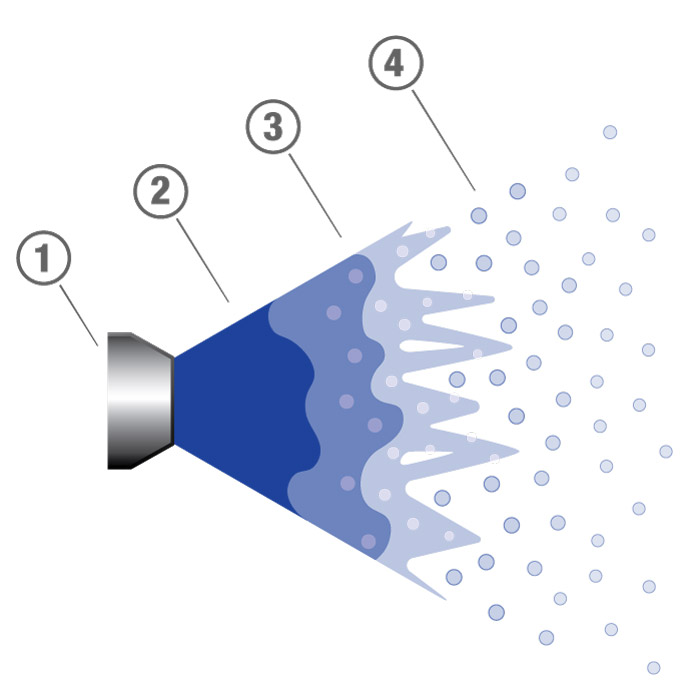
    airless spraying atomization illustration
    In an airless system, fluid is pumped under high pressure through a spray tip. Instead of compressed air, the fluid itself is pressurized, and as it passes through the spray tip, the fluid becomes atomized.
    The tip size and fluid pressure is what determines the material flow rate. The tip also creates the fan pattern. In contrast, air spray systems inject compressed air into the fluid stream of paint to achieve atomization.
    Diagram:
    1. Airless spray tip
    2. Sheet
    3. Disrupted
    4. Atomized fluid


    GRACO FUSION AP – 

    OVERVIEW

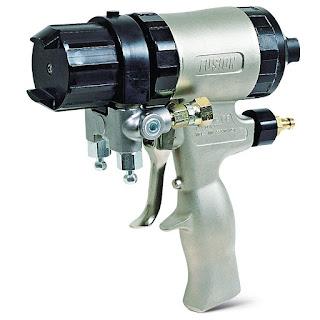
    The Fusion AP Gun handles everything from polyurethane foam to polyurea coatings. With long-life mix chamber and durable side seals, Fusion guns are designed to reduce your maintenance and downtime, and provide a better mix.

    FEATURES

    • Air-blast tip cleaning reduces build-up and tip clogging
    • Hardened stainless steel mix chambers are built to last
    • Daily maintenance in a matter of seconds with the quick-shot grease port
    • Quick-Release Fluid Housing


    FOR ADDITIONAL INFORMATION VISIT ARMORTHANE.COM

    GRACO PROBLER P2 – AIR PURGE

    OVERVIEW

    Recognized by the industry for its superior performance, the P2 gun’s light, easy-to-handle design lets you spray and maneuver easily – even in difficult spraying positions. At the end of the day, maintenance is easy.

    FEATURES

    • Responsive trigger action – double piston design provides more than 300 pounds (136 kg) of triggering force
    • The mix chamber insert can be replaced without replacing the entire chamber
    • Anti-crossover design virtually eliminates possibility of material entering the air piston
    • Ergonomic Handle and Balanced Design


    FOR ADDITIONAL INFORMATION VISIT ARMORTHANE.COM

    GRACO FUSION CS – 

    OVERVIEW

    Graco’s Fusion CS plural-component spray gun with ClearShot (CS) Technology delivers improved productivity and performance throughout the spray day. Every time you pull the trigger, ClearShot Liquid is dispensed into the mix chamber and helps remove any built-up chemical keeping it clean.

    FEATURES

    • Industry-First Quick-Change Front End
    • Variable Flow Setting
    • Chromex™ Coated Side Seals and Mix Chamber
    • Screw-in-Place Side Seals
    • Faster/Shorter Trigger Pull

    VISIT THE PRODUCT PAGE


    FOR ADDITIONAL INFORMATION VISIT ArmorThane.COM

    GRACO FUSION MP – 

    OVERVIEW

    The Fusion Mechanical Purge spray gun’s straightforward design provides excellent mix and material properties in a simple, easy-to-use package. Whether you’re spraying polyurea coatings or spray foam insulation, the rugged Fusion MP handles it all. Its rugged design provides excellent mix and material properties – giving you great results at the Jobsite.

    FEATURES

    • Handles from very low output, thin mil applications to large, high flow, high-output applications just by changing the mix module and tip
    • Easy mechanical cleaning – mix modules and tips are cleaned with a drill bit
    • Smoother finish and better atomization
    • Advanced design provides excellent mix and material properties

    FOR ADDITIONAL INFORMATION VISIT ARMORTHANE.COM

  • MORE ON POLYUREA COATING SOLUTIONS


    Image result for COATING SOLUTIONSArmorThane continues to be your go-to for all of your insulation needs and services. From the very best products and expert installation technicians and more, there is no other professional you ever need call for your insulation needs. ArmorThane also provides polyurea coating for your building needs.
    What is polyurea coating?
    Polyurea coating is a plastic-like substance that offers excellent surface protection. It is an elastomer, which means that it is extremely flexible as well as being resilient. Polyurea coating is typically used for commercial buildings.
    What are the benefits of polyurea coating?
    There are various benefits of polyurea coating, which make it a very useful product on many building sites. The material is extremely weather tolerant, usable at temperatures ranging from -20* to over 300* and will even cure in high humidity. Polyurea coating offers excellent resistance to thermal shock. It is extremely strong and tough, but also flexible enough to bridge cracks and be used over joints and linings.
    Polyurea coating is also seamless and waterproof, and has no volatile organic compounds (VOCs) and very little odor involved. All of these qualities make polyurea coating perfect for protecting commercial buildings and equipment of all types. Its ability to set quickly and the fast application time set it apart from any other similar technology. GA Foam Solutions offers you the very best and latest technology in spray-applied polyurea coating.
    What are some common applications for polyurea coating?
    Most polyurea coating product applications are for commercial uses, as there is not usually a need for such a strong and flexible material for residential buildings. Commercial uses come in a huge range. Here are some of the recommended product applications:
    * Refrigeration Units
    * Roof Coating
    * Truck Bed Liners
    * Flooring and Parking Decks
    * Pipe Coatings & Linings
    * Water Parks & Playgrounds
    * Rail car Lining & Track Containment
    * Tank Coatings & Linings
    * Bridge Coating
    * Joint Fill/Caulk
    * Waste Water Treatment Linings
    * Spray Molding
    * Manhole & Sewer Linings
    * Vented Crawl Spaces
    * Theme Parks
    * Decorative Design coating Aquarium Lining
    * Landscape & Water Containment
    * Automotive Fascia OEM Molded Parts
    * Fuel Storage & Containment
    * … and more
    As you can see, many of the commercial applications for polyurea coatings involve waterproof lining, fuel storage, and cold storage. This is because of polyurea coating’s excellent waterproof and temperature resistance. There are also a lot of traffic and safety applications because of how strong and almost indestructible the polyurea coatings are.
    Many other business also benefit from polyurea coating are sanitary areas such as restaurants and food processing facilities. It can even be used over concrete and steel to protect against corrosion and damage. Polyurea is truly a versatile and useful material to work with, and GA Foam Solutions is proud to provide it to their commercial customers.
    To learn more about polyurea coating solutions, do not hesitate to call the experts at GA Foam Solutions. They are committed not only to providing the very best in products and service, and you can trust that the professional you speak with will be knowledgeable and experienced. Call GA Foam Solutions today for more about polyurea coating solutions.