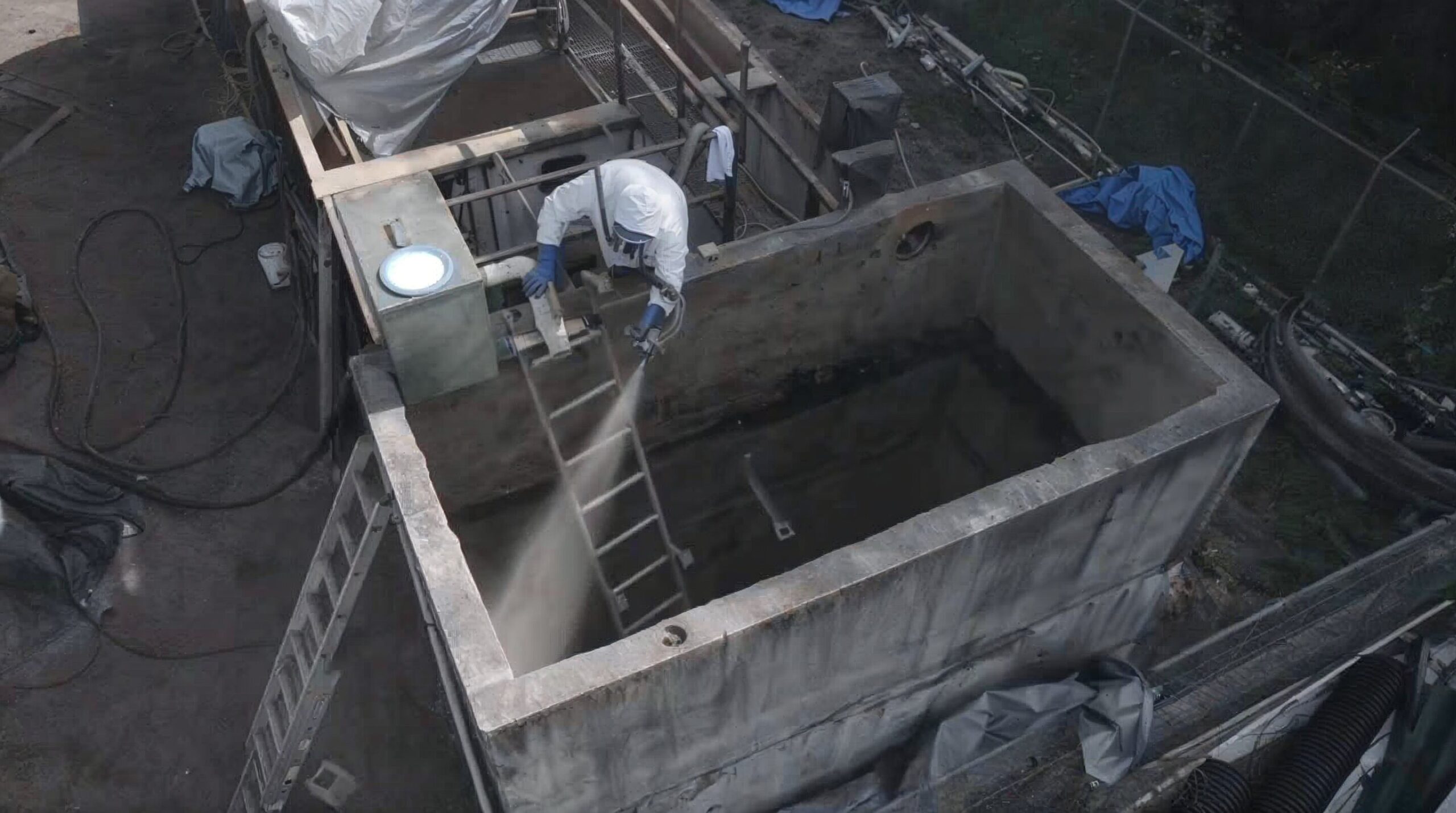
Across the country, municipalities are rethinking how they maintain aging infrastructure. Tight budgets, workforce shortages, and increasingly frequent maintenance demands have led many cities and counties to bring key tasks in-house. One growing trend: spraying polyurea on municipal infrastructure themselves—without outsourcing the job to third-party contractors.
This shift toward self-performance isn’t just about saving money. It’s also about control, longevity, and response time. With polyurea coating technology, cities can repair manholes, wastewater systems, tanks, and treatment plants faster and with fewer resources—while extending the life of these assets by decades.
Many local governments now train their teams and invest in mobile polyurea spray rigs, reducing their reliance on contracted services. According to recent industry reports, what was once considered a highly specialized task is quickly becoming a core municipal skill.
Municipalities Taking the Spray Gun into Their Own Hands
Why now? It starts with numbers. Aging wastewater infrastructure costs cities billions each year. Polyurea, known for its fast cure time, corrosion resistance, and seamless application, is a game-changer in these high-wear environments. The challenge used to be accessing the knowledge and tools to apply it correctly—but that’s no longer the case.
Municipalities now have access to comprehensive training programs, affordable spray equipment, and a growing body of public sector case studies. For example, coatings.academy offers insights into how municipalities spray their own infrastructure projects, with step-by-step guidance for getting started.
In fact, the shift has become widespread enough that industry experts are calling it a structural transformation in how cities manage their underground assets. A recent piece from Polyurea Nation highlights the rise of municipalities taking infrastructure maintenance in-house with polyurea spray rigs, citing cost savings, flexibility, and improved repair times as primary motivators.
Manhole Rehabilitation: A Key Entry Point
Manholes are often the first place municipalities start. These high-traffic, high-corrosion environments fail quickly if left unprotected. Traditionally, cities outsourced manhole rehabilitation to industrial contractors—but not anymore.
Today, many municipalities are applying manhole coatings in-house using their own crews and mobile rigs. Polyurea’s ability to form a seamless, impermeable barrier in minutes means cities can knock out multiple rehabs in a single day without disrupting surface traffic or sewer flow.
Polyurea Reviews recently explored whether municipalities should perform polyurea manhole rehabilitation themselves, concluding that with the right training and equipment, the answer is a confident yes.
The Broader Impact on Wastewater Systems
This isn’t just about manholes. Spraying polyurea also helps protect digesters, clarifiers, lift stations, and entire municipal wastewater treatment systems. As these systems age, the need for durable coatings becomes more urgent—and the case for doing the work internally grows stronger.
By managing these applications in-house, municipalities reduce downtime, avoid procurement delays, and gain valuable technical knowledge about their systems. That institutional knowledge becomes part of the city’s long-term resilience strategy.
For a deeper look into how polyurea benefits municipal water treatment systems, view this full digital carousel, which outlines the lifecycle advantages, material performance, and real-world use cases.
Training and Opportunity
As this trend grows, more cities are investing in training programs and equipment bundles that make the transition easier. Organizations like ArmorThane have built support systems specifically for municipalities looking to spray in-house.
American Polyurea recently reported on several successful pilot programs where small towns trained local crews, applied their first coatings, and saw immediate savings—both in dollars and in asset performance.
A Long-Term Shift Toward Self-Reliance
The momentum behind polyurea self-performance signals a broader shift in how municipalities view infrastructure maintenance. Instead of deferring repairs or relying on outside vendors, cities are owning the process—both figuratively and literally.
As equipment becomes more user-friendly and training more accessible, polyurea spraying will likely become a standard part of public works departments everywhere. What started as a niche technology now represents a smart, scalable, and sustainable approach to protecting vital infrastructure for the long haul.

